By Nick Orlando
4 min read
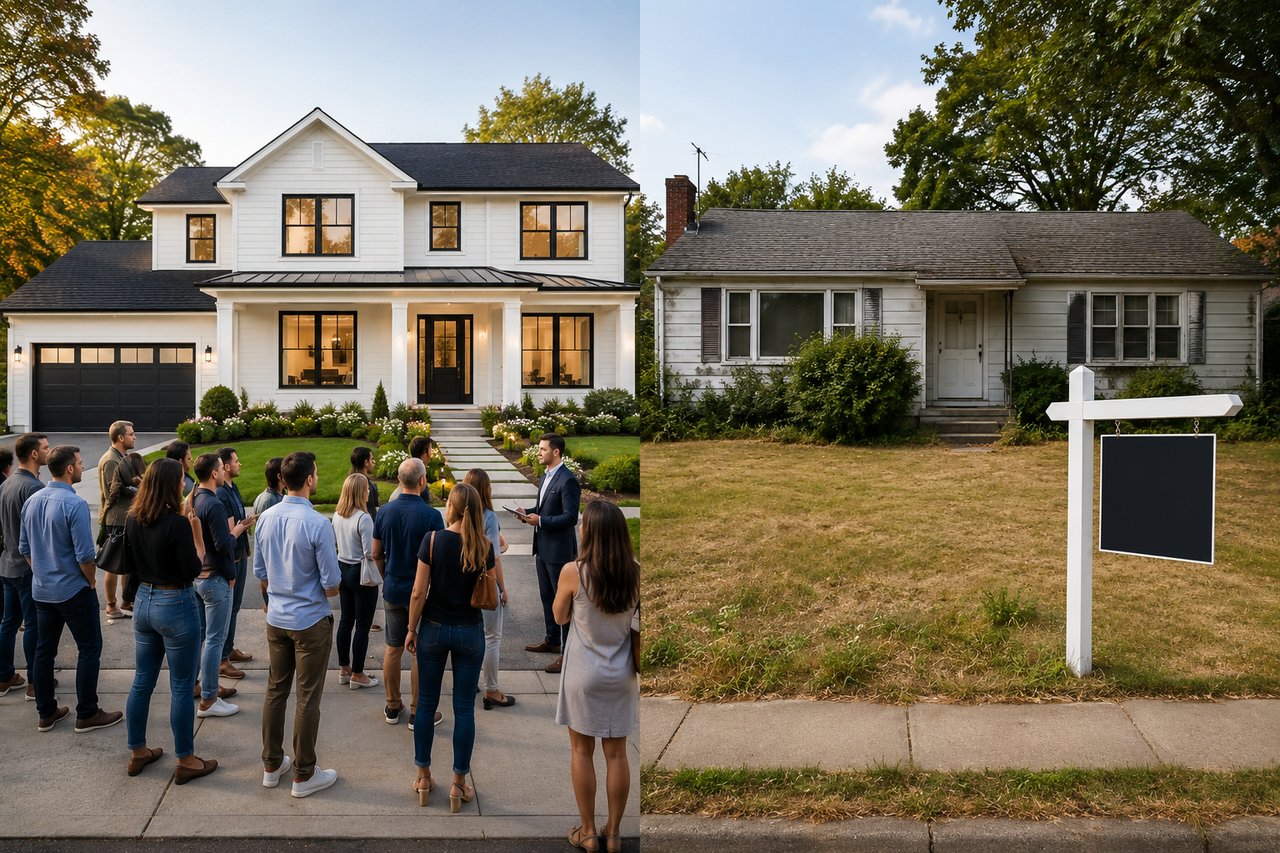
I get some version of this question every week: why did the house down the street sell in nine days, while the one two blocks over has had a sign in the yard since last winter. Buyers ask it. Sellers ask it. And the honest answer is almost always the same. Price is the deciding factor. It always has been, and it always will be.
Price Moves the Market, Every Time
That is not a knock on any particular home or seller. It is just how the market works. Buyers today are more informed than they have ever been. They see the same Zillow history, the same tax records, the same comps that I see. When a home is priced to reflect what the market will actually bear, buyers recognize it immediately and act fast. When it is priced above that line, buyers recognize that too, and they simply wait.
The numbers from this year back this up. Looking at closed sales across Nassau and Suffolk County year to date, homes that went into contract within two weeks of hitting the market closed at a median of 105 percent of list price, with a typical time on market of just nine days. Of that group, 76 percent closed above asking. Compare that to homes that sat two months or longer before selling. Those closed at a median of 97 percent of list price, and only 14 percent closed above asking. Seventy percent closed below it. Same market, same buyer pool, an enormous swing in outcome based almost entirely on how the home was priced out of the gate.
The pattern holds in both counties, though the pace differs slightly. In Nassau, homes sitting 90 days or more make up about 21 percent of current active inventory. In Suffolk, that number is closer to 27 percent, and Suffolk buyers are also moving a touch faster into contract right now, with pending listings there averaging 22 days on market versus 25 in Nassau. Neither gap is dramatic, but pricing discipline clearly matters everywhere, not just in one town.
The Real Reason Homes Sit
So what is actually keeping the slower group on the market? In my experience, it rarely comes down to the house itself. Condition and location matter, but those are usually baked into the price conversation from day one. What I see over and over again is a shift in what actually pushes someone to sell in the first place, and it changes how flexible that seller can afford to be.
Before the pandemic, sellers moved mostly off of wants. They wanted a bigger yard, an extra bedroom for a home office, or a better school district. Wants are negotiable. A seller moving because they would simply prefer something can wait for the right offer and has room to be patient on price.
What I am finding now is a market that moves almost entirely off need. Sellers today are typically listing because something in their life requires it, not because they would prefer it. A growing family that has run out of bedrooms. A job relocation with a hard start date. A change in health, income, or family structure that makes the current home unworkable. Needs do not leave much room to negotiate with reality. A seller who has to move by a certain date, or has to net a certain number to make the next step work, is often the same seller whose home ends up sitting, because the price that would move it fast and the price they need to walk away with are two different numbers.
That gap between what a home needs to sell for and what it will actually sell for is the real story behind why some listings sit. It is rarely about buyers being unreasonable. Buyers are, if anything, doing exactly what they should be doing: reading the market accurately and pricing accordingly.
Right now across both counties there are just under 6,000 active listings against roughly 1,600 closings a month, which works out to under four months of supply. That is still a tight market by historical standards, and it is exactly why the fast movers get bidding wars while the overpriced listings get silence. If you are thinking about listing this year, the lesson is straightforward. A price that reflects the market gets you to contract in under two weeks, on average, and often above asking. A price that reflects what you need, rather than what the market supports, gets you a longer conversation, fewer offers, and a much higher chance of settling for less in the end.
There is no way around it. The market rewards realistic pricing, and it is patient enough to wait out anyone who is not ready to meet it there.
Sources: Data drawn from Multiple Listing Service closed, pending, and active listing records for Nassau and Suffolk Counties, year-to-date 2026.