by: Nick Orlando | Licensed Associate Real Estate Broker
The Mansion Tax and the Modern Long Island Housing Market
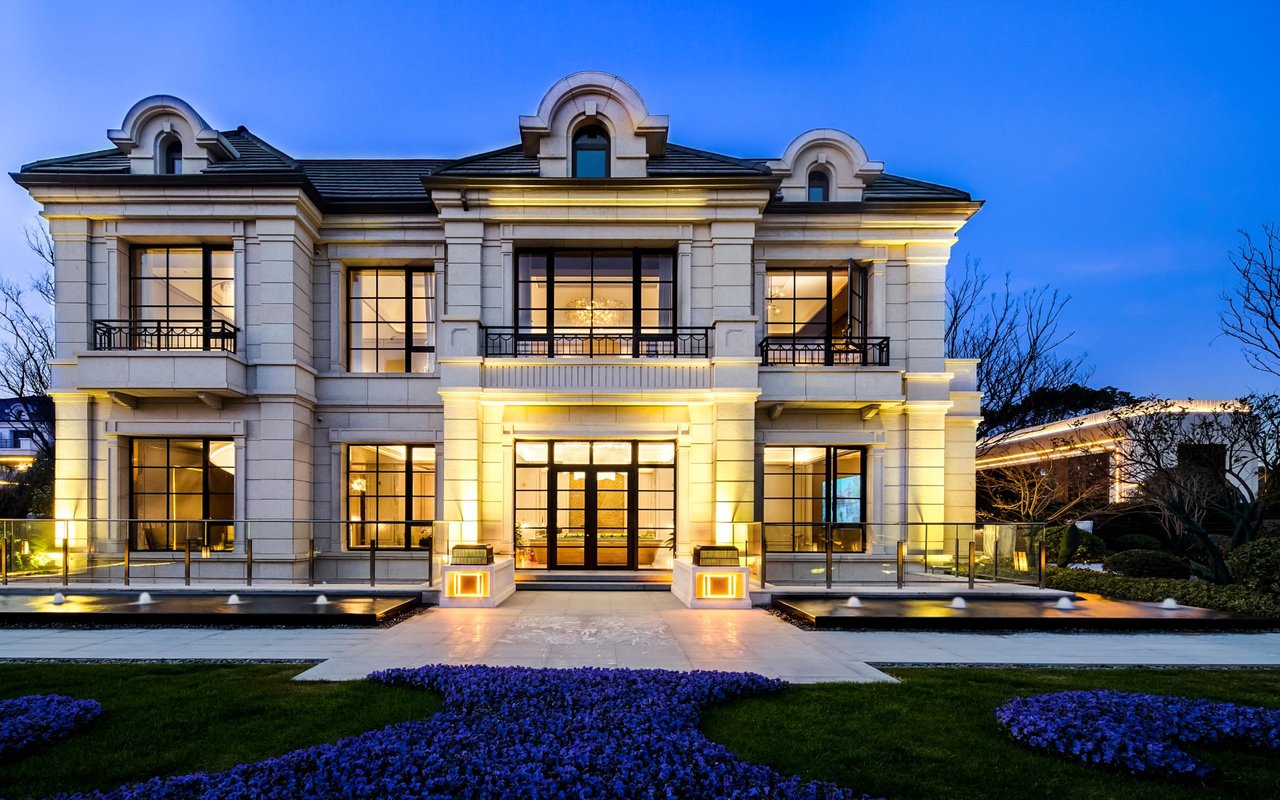
A recent Newsday article has pushed the so-called mansion tax back into the conversation on Long Island, underscoring a reality many buyers are encountering for the first time: crossing the $1 million price point no longer means buying a mansion.
The tax, introduced in 1989 under then Gov. Mario M. Cuomo, applies to any residential home sale of $1 million or more. At the time, that threshold was meant to capture only the highest-end properties. More than three decades later, it is increasingly capturing something else entirely, the modern Long Island starter home.
When the law was enacted, the median single-family home price in Nassau County was well under $200,000, with western Suffolk even lower. Since then, home values have risen steadily, but the tax threshold has remained frozen.
A Broader Market, Not Just "Luxury" Homes
What has changed most dramatically is how common $1 million sales have become. Over the past decade, Long Island has seen a sharp rise in homes crossing that line, not just in traditional luxury enclaves, but across everyday neighborhoods.
In 2016, roughly 1,500 homes across Nassau and Suffolk counties sold for $1 million or more. By 2025, that figure had climbed to nearly 4,700. The growth has been especially pronounced in Suffolk County, which now accounts for a much larger share of these transactions than it did a decade ago. The mansion tax, once concentrated largely in Nassau, is now reaching far deeper into the Island.
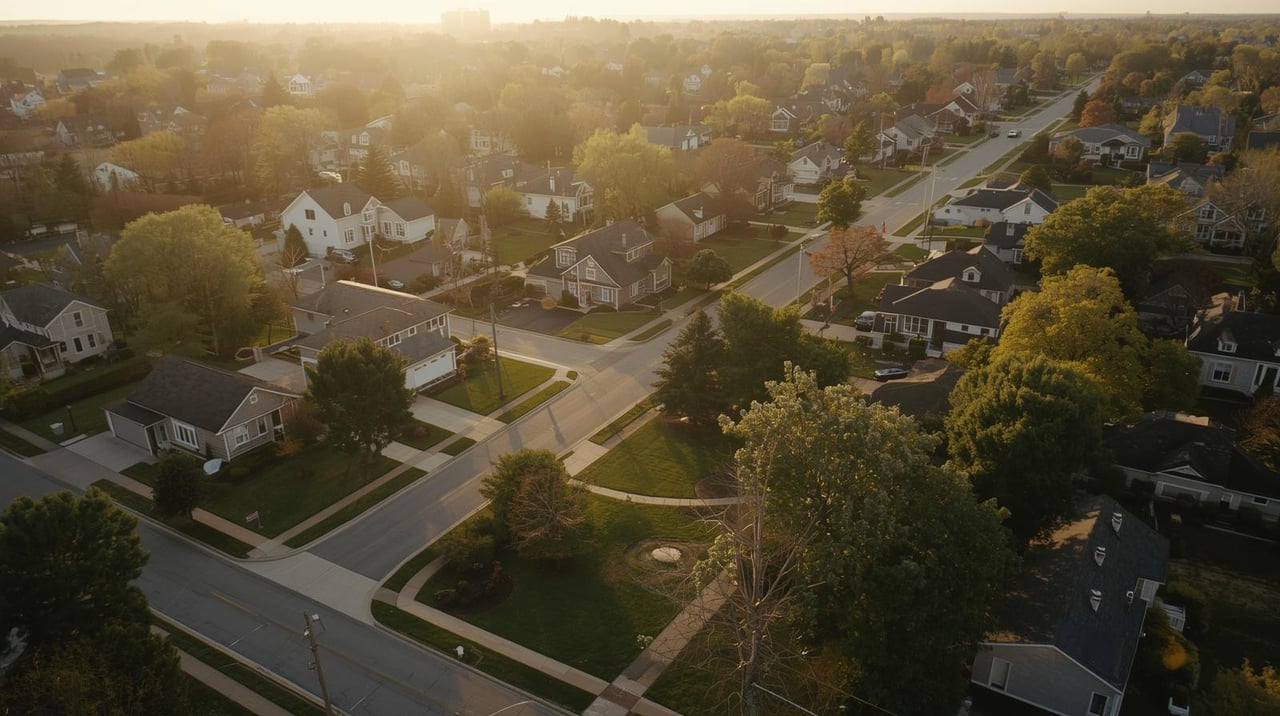
The result is a tax that increasingly affects buyers purchasing colonials, split-levels, and capes, often homes that need updating, are modest in size, and are far removed from the traditional image the word 'mansion' implies.
Today's Prices, Yesterday's Rules
As of late 2025, median home prices stood at approximately $840,000 in Nassau County and $725,000 in Suffolk County, according to OneKey MLS. Nearly one in four single-family homes sold on Long Island now closes at $1 million or more.
In practical terms, that means the mansion tax no longer sits at the fringe of the market. It has become a routine closing cost for a significant share of buyers, many of whom would not describe their purchase as luxurious by any traditional measure.
Calls for Change, Little Movement
There have been attempts to update the law. Assemblyman Nader Sayegh has proposed raising the threshold to $2 million, arguing that $1 million in 1989 dollars is equivalent to well over $2 million today. The goal: better align the tax with true high-end properties rather than broadly priced homes inflated by decades of appreciation.
So far, those efforts have stalled in Albany, leaving the existing framework firmly in place.
What It Means for Buyers and Sellers
For buyers, the takeaway is simple but important: once an offer crosses $1 million, even by a small margin, the mansion tax becomes part of the transaction. For sellers, that threshold can subtly influence pricing strategy, buyer psychology, and negotiation dynamics.
The renewed attention sparked by the Newsday article reflects a broader truth about the Long Island housing market in 2026: the definition of "luxury" has shifted, but the tax code has not. Until it does, the mansion tax will continue to apply not just to estates and waterfront properties, but to an ever-widening slice of everyday Long Island home sales.